Moving into a new home is exciting, but it’s also overwhelming. Between unpacking boxes, organising furniture, and figuring out where everything goes, it’s easy to focus on the obvious and overlook the small but important details.
We often speak to buyers who realise, weeks later, that there were a few key things that they intended to do but never quite got around to. Some are minor inconveniences, others can have more lasting consequences.
If you’ve just picked up the keys, or you’re about to, here are seven things worth doing early on that are often missed.
Getting your house set up properly
1. Change the locks
It’s a simple step, but one that’s surprisingly easy to overlook.
When you move into a new property, you can’t be certain of how many copies of the keys are in circulation. Previous owners may have given spares to friends, family members, neighbours, or even tradespeople over the years.
While there’s rarely any cause for concern, changing the locks gives you complete control and peace of mind from day one. It’s a relatively small cost compared to the reassurance it provides. It’s particularly important if the property has been rented out previously or has changed hands more than once.
2. Take meter readings (and set up your utilities)
Amid the excitement of moving in, it’s easy to forget the practical side of things.
Taking gas, electricity, and water meter readings on the day you move in ensures you’re only paying for what you use. Without this, you could end up covering usage from before you even owned the property.
It’s also worth contacting utility providers straight away to set up accounts in your name. This avoids any confusion or delays later on. While it might not feel urgent, getting this sorted early keeps everything clean and straightforward.
3. Check what you’ve actually inherited
When you first walk into your home, it’s natural to focus on your new plans for the space. But it’s equally important to take stock of what’s already there. This includes things like the boiler, fuse box, stopcock, and any integrated appliances. Knowing where these are, and how they work, can save time and stress if something needs attention.
It’s also worth checking instruction manuals, warranties, or service records if they’ve been left behind. These can be incredibly useful later on. Even something as simple as locating the water shut-off valve can make a big difference if you ever need it in a hurry.
4. Test the small things early
Not everything becomes obvious during viewings. Once you move in, it’s worth taking the time to test the details. Turn on taps, check the water pressure, test heating, open and close windows, and try all the light switches.
These aren’t major tasks, but they help you identify any small issues early on. It’s much easier to deal with them at the start than to discover them weeks or months later. It also helps you get familiar with the property more quickly, which makes the whole space feel more like home.
5. Learn your local bin collection schedule
This might not sound like a priority during a move, but forgetting bin collection days is almost a rite of passage when settling into a new home.
Different councils operate completely different collection systems, with varying days for general waste, recycling, food waste, and garden waste. Some areas also require permits, specific bins, or collection bookings for larger items. It’s worth checking your local council website early on so you know exactly how things work in your new area. Your neighbours can also be surprisingly helpful for figuring out the local routine quickly.
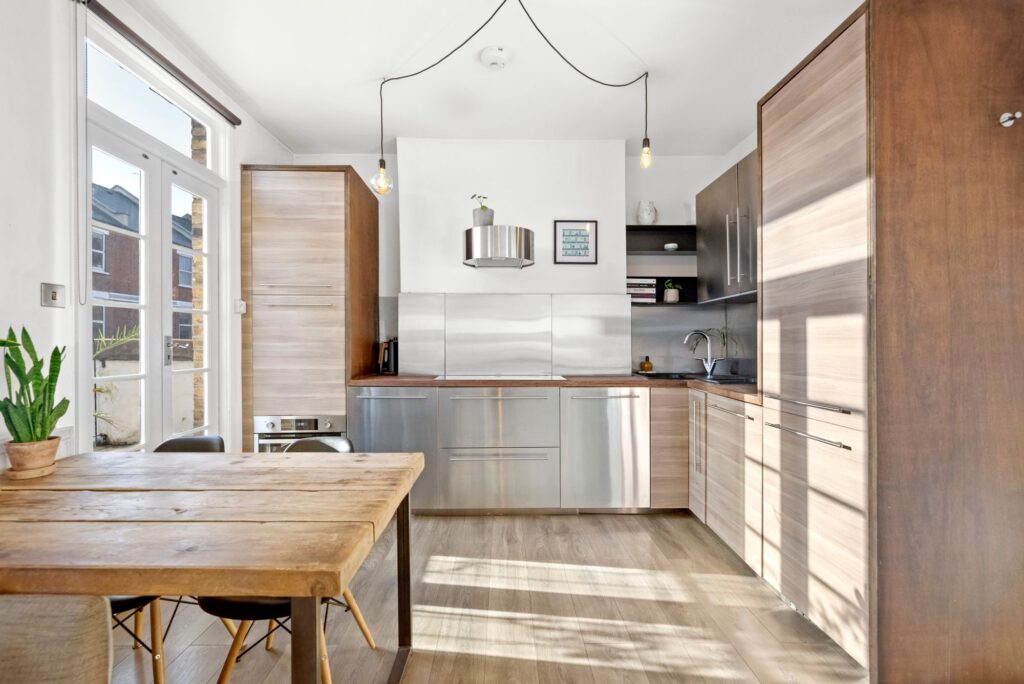
Updating your admin and everyday essentials
6. Redirect your post
Post redirection is one of those tasks that often slips down the priority list, but it can save a lot of hassle.
Setting up a mail redirection through Royal Mail gives you a safety net while you work through updating everything properly. It also reduces the risk of sensitive information ending up in the wrong place. Most people intend to do it, but many only realise after something important goes missing.
7. Update your records with your new address
Even if you’ve redirected your post, there are usually several important organisations and services that can easily be forgotten in the chaos of unpacking. Weeks later, many buyers realise important letters, appointment reminders, or financial documents are still being sent to their old property.
Banks and credit card providers are usually top of the list, but there are plenty of other areas that are just as important to update. Things like your employer records, insurance providers, pension accounts, and DVLA details can often slip through the cracks if you don’t tackle them early on.
If you have children, don’t forget schools, nurseries, clubs, or any after-school activities that may need updated contact information too.
8. Update your digital accounts and delivery addresses
Most people remember to update their bank and utility providers after moving, but digital accounts are often forgotten until a parcel accidentally ends up at the old house.
Online shopping accounts like Amazon, eBay, Deliveroo, Uber Eats, and supermarket delivery apps can all still store previous addresses by default. Streaming services, subscription boxes, and shared family accounts can also contain outdated information long after you’ve moved.
It’s worth taking a bit of time to go through your most-used apps and online accounts properly. Not only does it help avoid deliveries going to the wrong place, but it also keeps your personal information secure and avoids awkward conversations with the new owners of your old property.
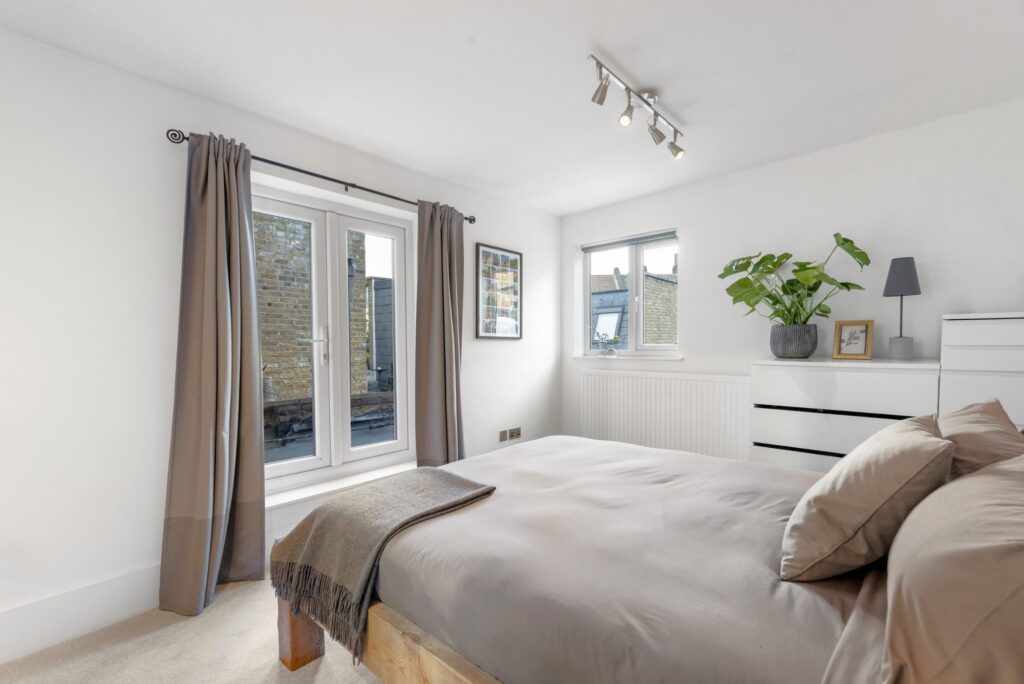
Health, family and local life
9. Register with new local services
If you’re moving to a completely new area, there’s a good chance some of your existing local services may no longer be practical. Things like your GP, dentist, optician, vet, or even local pharmacy can often get forgotten about during a move, particularly when you’re focused on unpacking and settling in. But waiting until you urgently need an appointment is usually when you realise it should have been sorted sooner.
Registering with local healthcare services early can save a lot of stress later on, especially as some practices can have waiting lists for new patients.
10. Explore local family groups and activities
If you’re moving with children, settling into a new area often involves much more than just unpacking boxes.
One of the best ways to feel at home more quickly is by getting familiar with the local family activities and services nearby. Things like nurseries, after-school clubs, baby groups, sports classes, dance schools, or weekend activities can make a huge difference to your day-to-day routine once you’re properly settled.
Many parents only begin looking into these once they’ve already moved, but in some areas, popular clubs and nurseries can have waiting lists or limited availability.
Even if your children already have schools or childcare arranged, exploring what’s available locally can help you build new routines and feel more connected to the area much sooner. It can also be a great way to meet other local parents and families, particularly if you’re completely new to the neighbourhood.
11. Update your pet’s microchip details
If you’re moving with pets, updating their microchip information is one of the easiest jobs to forget, but one of the most important.
Many owners assume changing your address elsewhere automatically updates everything, but microchip records usually need to be amended separately through your provider. If your pet ever goes missing, outdated details can make it much harder for them to be returned safely.
It’s also worth updating your address with your vet and checking where the nearest local practice or emergency vet is if you’ve moved to a completely new area.

Why these steps matter
None of these tasks are particularly complicated (or fun), which is exactly why they’re often missed by so many.
When you’re juggling a house move, your attention naturally goes to the bigger jobs and your grand plans for the space, but getting on top of these small, practical tasks early on will help you settle in smoothly and avoid unnecessary problems down the line.
Taking a bit of time in those first few days to cover these essentials can make a noticeable difference, whilst providing you with a sense of control in what can be an overwhelming (but very exciting!) time. Happy moving!
Contact us:
mark@daviesdavies.co.uk – Sales Director (contact for sales, lettings and new homes)
katrina@daviesdavies.co.uk – Director of Property & Block Management (contact for property and block management)
Davies & Davies Estate Agents, 85 Stroud Green Road, London, N4 3EG
Article & images by Barefaced Studios
You might also want to read other useful blog articles by clicking here.
Please note that all content contained within our website is for informational purposes only. You should not construe any such information or other material as legal, tax, investment, financial, or other advice. All Content on this site is information of a general nature and does not address the circumstances of any particular individual or entity. We advise seeking professional advice from a legal, financial, or other professional.

There’s something reassuringly straightforward about selling a conventional home. Three bedrooms, a good-sized garden, a recently renovated kitchen, close to the station – buyers can quickly understand what’s on offer. But what if your home is a little harder to sum up? Perhaps it’s a Victorian apartment packed with original features. A colourful, design-led home that looks nothing like the property next door. A former industrial building with an unconventional layout. Or simply a house where years of thoughtful renovation have created something with a personality all of its own.
Read More...
When you’re buying a home with young children, it’s very easy to shop for the life you have right now.
A spare bedroom becomes the nursery. The small garden seems enormous to a toddler. Being twenty minutes from school doesn’t sound too bad when you’re still thinking in terms of pram walks and nursery drop-offs. But children have an inconvenient habit of growing.
Selling your first home is an exciting milestone, but if you’ve never done it before, it can also feel like stepping into the unknown.
You know you need an estate agent, a solicitor and a buyer, but what actually happens before your property goes on the market? How do you know what your home is worth? What documents will you need? And how do you choose an estate agent that’s right for you? The good news is that a little preparation at the start can make the whole process far smoother. From understanding your finances to gathering important paperwork, here’s everything worth getting organised before you put the ‘For Sale’ board up.
Get in Touch
Opening Times
Mon – Thurs: 0900 – 1815
Fri: 0900 – 1800
Sat: 1000 – 1600
Sun: Appointments by request