There’s something reassuringly straightforward about selling a conventional home. Three bedrooms, a good-sized garden, a recently renovated kitchen, close to the station – buyers can quickly understand what’s on offer.
But what if your home is a little harder to sum up? Perhaps it’s a Victorian apartment packed with original features. A colourful, design-led home that looks nothing like the property next door. A former industrial building with an unconventional layout. Or simply a house where years of thoughtful renovation have created something with a personality all of its own.
Homes like these can be incredibly desirable. But they also need to be sold differently.
When character is one of your property’s biggest assets, the aim isn’t simply to list its features. It’s to help the right buyer understand what makes it special.

First: Work Out What the Story Actually Is
Before photographs are taken or a property description is written, take a moment to consider what really defines the home.
Is it the original Victorian architecture? The way an architect has reconfigured the ground floor? The connection between the kitchen and garden? The beautifully restored floorboards and fireplaces? Or perhaps it’s simply the atmosphere created by years of carefully considered interiors.
This becomes the thread that should run through the marketing. A good property listing should obviously tell buyers how many bedrooms and bathrooms there are, but with a characterful home, that information only tells half the story.
Instead of simply stating that there’s a south-facing garden, for example, consider what that means for the person living there. Perhaps the kitchen doors are thrown open onto it throughout the summer. Maybe an original fireplace makes the front reception particularly cosy in winter.
You’re not inventing a lifestyle for the sake of marketing. You’re giving buyers the context that helps them understand how the property actually feels to live in.
Don’t Declutter Away the Personality
We’ve all heard the standard pre-sale advice: declutter, depersonalise and make everything neutral.
Some of it is useful. Buyers generally don’t need to see an overflowing bathroom cabinet or every family photograph you’ve taken since 2007. But there’s a difference between removing clutter and removing character.
If you’ve created a beautifully designed home, stripping away everything distinctive can actually work against you. The vintage furniture that complements the period features, artwork that draws attention to the ceiling height, or bold colour that makes an architectural detail sing may be part of what makes the property memorable.
The aim of staging should be to make the home feel considered rather than anonymous. Remove anything that makes rooms feel smaller or distracts from their best features, but don’t automatically reach for the white paint simply because you’re selling.
Sometimes the sage-green kitchen, patterned wallpaper or wonderfully eccentric downstairs loo is exactly what makes someone stop scrolling.
Let the Architecture Take Centre Stage
Of course, character doesn’t always come from interiors.
In North London, we’re fortunate to have an enormous variety of period properties, from Victorian terraces and mansion flats to converted warehouses and Edwardian family homes.
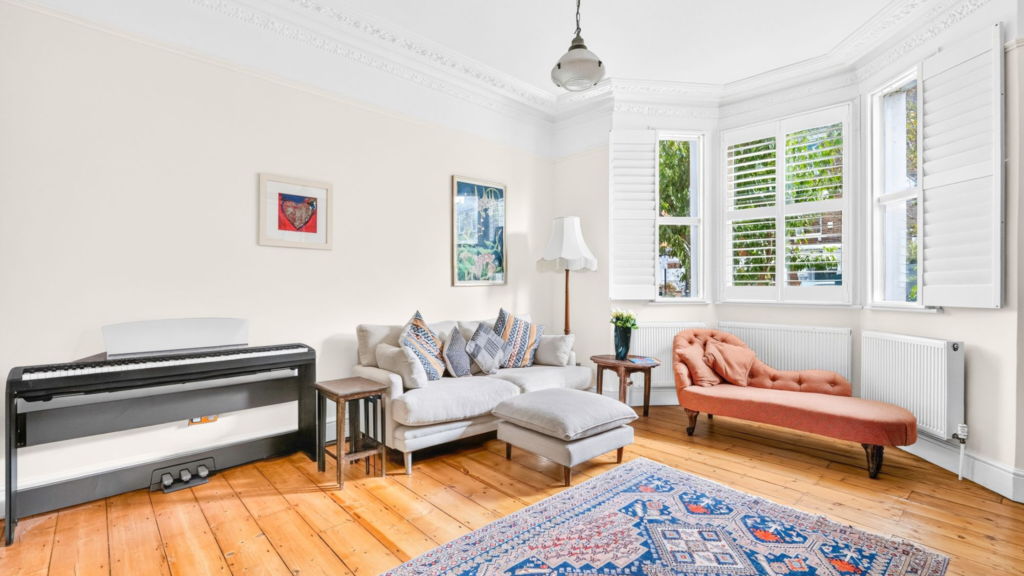
If your property has original floorboards, sash windows, cornicing, fireplaces, exposed brickwork or unusually generous ceiling heights, make sure buyers can actually see them. That might mean moving a piece of furniture that’s obscuring a fireplace, taking down heavy curtains around a beautiful window or simply giving original woodwork some attention before photography.
You don’t need to turn the property into a museum. The goal is to show how original character and modern life can work together.
Do the Boring Jobs Before You Sell the Beautiful Bits
When a home is visually impressive, it can be tempting to focus entirely on styling.
But buyers will still notice the dripping tap. Before going to market, deal with those small maintenance issues you’ve gradually stopped seeing: peeling paint around a window, cracked tiles, loose handles, tired sealant or a garden gate that’s been “on the list” for the past two years.
This can be particularly important with older properties. Buyers may already expect a period home to require more upkeep than a new build, so visible signs of neglected maintenance can quickly make a minor issue feel like evidence of something bigger.
You don’t necessarily need to undertake major renovations before selling. Often it’s simply about making sure the property feels cared for.
Photography Should Explain Why Your Home Is Different
If your property looks unlike anything else on Rightmove, the photography needs to do it justice.
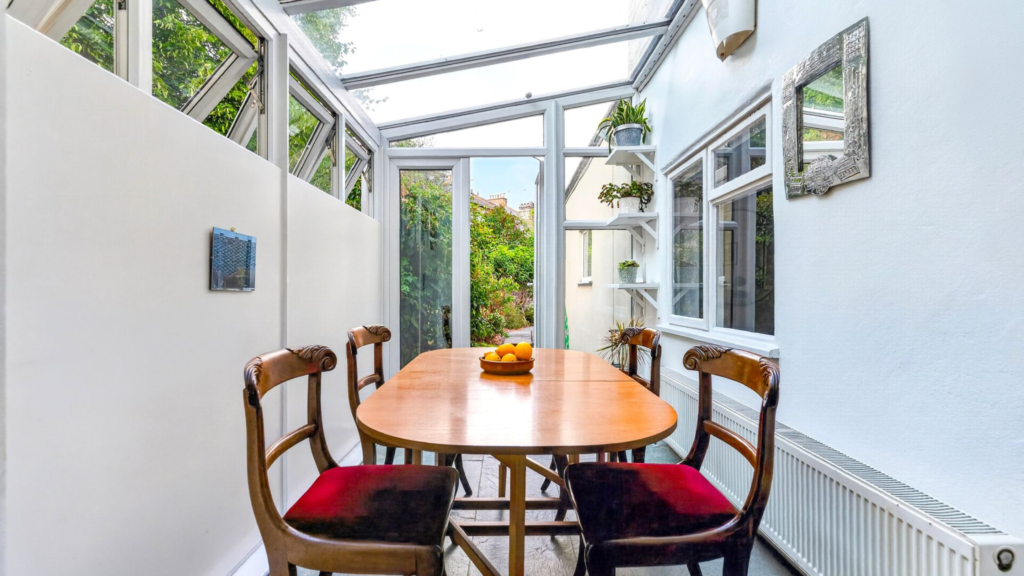
Wide shots are important for helping buyers understand room proportions and layout, but character homes also benefit from carefully chosen detail shots. That might be the original tiles in the hallway, bespoke joinery, an unusual window, beautifully aged floorboards or the view from the kitchen into the garden.
The key word here is carefully. Buyers still need to understand the property they’re considering, so twenty close-ups of beautiful taps aren’t particularly useful if nobody can work out what the bathroom looks like.
The best photography balances atmosphere with information. It gives someone enough practical detail to understand the home while creating enough intrigue to make them want to see it in person.
Find the Buyer Who Loves What You’ve Done
A characterful property won’t necessarily appeal to everybody – and that’s OK.
In fact, trying to make it appeal to absolutely everyone can dilute the very things that make it desirable. The more useful question is: who is most likely to fall in love with it?
A beautifully restored Victorian home may appeal to someone specifically searching for period features. An architect-designed renovation could attract buyers who value design and are willing to pay for work that’s already been thoughtfully completed. A colourful, creative flat might resonate particularly strongly with someone who sees a home as more than four neutral walls.
Understanding the potential buyer should influence everything from the photography and description to where and how the property is promoted. A distinctive home doesn’t necessarily need every buyer. It needs the right ones.
Make Viewings Part of the Story
Once someone walks through the front door, the marketing shouldn’t suddenly stop.
Whoever conducts the viewing should understand what makes the property special and be able to communicate it naturally.
If the kitchen was redesigned to make the most of the evening light, say so. If original features were painstakingly restored rather than replaced, that’s worth knowing. If there’s a brilliant independent bakery around the corner, a particularly lovely walk to Finsbury Park or a local pub everyone on the street gravitates towards, those details help buyers imagine the wider experience of living there.
At the same time, viewers need space. A character home is often one people respond to emotionally, so rushing from bedroom to bedroom while reciting square footage can work against you. Give buyers an opportunity to look around, ask questions and notice the details for themselves.
Don’t Let Character Become an Excuse for the Wrong Price
There’s one final, and very important, part of positioning a distinctive home successfully: the valuation.
Character can add desirability, but it can also make a property harder to compare directly with recent sales nearby. If your home has been significantly redesigned, beautifully renovated or retains features that similar properties have lost, looking only at the price achieved by the house three doors down may not tell the whole story.
Equally, loving what you’ve created doesn’t automatically mean a buyer will pay an unlimited premium for it. This is where genuinely local knowledge becomes particularly valuable. The right asking price should reflect comparable sales, current demand, the condition of the property and the qualities that differentiate it – without allowing emotion to push the figure beyond what the market will support.
Character Isn’t Something to Hide
Preparing a home for sale doesn’t have to mean turning it into a blank canvas.
For the right property, doing so could remove precisely what makes buyers remember it. The trick is knowing the difference between personality and clutter, character and neglected maintenance, storytelling and marketing fluff. A beautifully positioned home should still feel like itself, just on its very best day.
And when you’re selling something a little different, choosing an estate agent who understands that difference matters too. At Davies & Davies, we know North London’s housing stock isn’t one-size-fits-all. From period homes packed with original details to creatively renovated flats, we tailor the pricing, presentation and marketing strategy around the property in front of us.
Often, the feature that makes your home harder to compare is exactly the thing that makes the right buyer fall in love with it.
Contact us:
mark@daviesdavies.co.uk – Sales Director (contact for sales, lettings and new homes)
katrina@daviesdavies.co.uk – Director of Property & Block Management (contact for property and block management)
Davies & Davies Estate Agents, 85 Stroud Green Road, London, N4 3EG
Article & images by Barefaced Studios
You might also want to read other useful blog articles by clicking here.
Please note that all content contained within our website is for informational purposes only. You should not construe any such information or other material as legal, tax, investment, financial, or other advice. All Content on this site is information of a general nature and does not address the circumstances of any particular individual or entity. We advise seeking professional advice from a legal, financial, or other professional.
There’s something reassuringly straightforward about selling a conventional home. Three bedrooms, a good-sized garden, a recently renovated kitchen, close to the station – buyers can quickly understand what’s on offer. But what if your home is a little harder to sum up? Perhaps it’s a Victorian apartment packed with original features. A colourful, design-led home that looks nothing like the property next door. A former industrial building with an unconventional layout. Or simply a house where years of thoughtful renovation have created something with a personality all of its own.
Read More...
When you’re buying a home with young children, it’s very easy to shop for the life you have right now.
A spare bedroom becomes the nursery. The small garden seems enormous to a toddler. Being twenty minutes from school doesn’t sound too bad when you’re still thinking in terms of pram walks and nursery drop-offs. But children have an inconvenient habit of growing.

Selling your first home is an exciting milestone, but if you’ve never done it before, it can also feel like stepping into the unknown.
You know you need an estate agent, a solicitor and a buyer, but what actually happens before your property goes on the market? How do you know what your home is worth? What documents will you need? And how do you choose an estate agent that’s right for you? The good news is that a little preparation at the start can make the whole process far smoother. From understanding your finances to gathering important paperwork, here’s everything worth getting organised before you put the ‘For Sale’ board up.
Get in Touch
Opening Times
Mon – Thurs: 0900 – 1815
Fri: 0900 – 1800
Sat: 1000 – 1600
Sun: Appointments by request