Buying your first home is an exciting milestone, but amidst the excitement, it’s essential to keep a sharp eye out for potential issues. A well-staged property might look picture-perfect, but it’s what’s lurking beneath the surface that really matters. From the condition of the boiler to the strength of the water pressure, this first-time buyer property viewing guide from Davies and Davies will help ensure your dream home doesn’t come with any unexpected nightmares.
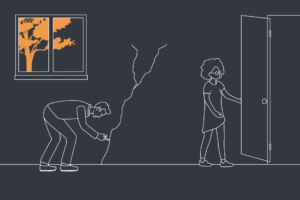
First Impressions Matter: Inspecting the Exterior
Before you even step inside, take a moment to assess the outside of the property. Are the windows well-maintained and double-glazed? Neglected window frames can indicate deeper maintenance issues. If the house has a rendered exterior, check for cracks or peeling, as this could suggest structural wear or damp problems.
Next, scan the brickwork. While minor cracks might be harmless, larger ones-especially around doorways and windows-could indicate movement in the building. The roof is another critical area; missing or loose tiles could spell expensive repairs down the line. While you’re looking up, check the fascias (the bands beneath the roof edge) and make sure the gutters and drains aren’t blocked or leaking.
Finally, take note of any large trees close to the property. Overgrown roots can cause foundation issues, and older chimneys should be checked to ensure they’re stable and straight. These external checks provide a strong first indication of how well the home has been maintained.
What Lies Beneath-Checking the Interior for Red Flags (a pivotal part of your first-time buyer property viewing guide):
Once inside, it’s time to put on your detective hat. Start by looking (and sniffing!) for any signs of damp or mould, especially in corners, around windows, and near skirting boards. Peeling wallpaper or bubbling paint can be tell-tale signs of hidden moisture problems. Condensation on windows may also indicate poor ventilation.
Move on to the flooring-are there any uneven surfaces or noticeable wear and tear? Try opening and closing doors throughout the house; sticking doors can suggest structural shifts. Check walls and ceilings for cracks, particularly above doors and windows.
It’s also worth assessing the electrical system. Does the fuse box look modern, or does it belong in a museum? Do the light switches work? Are there enough plug sockets, and are they conveniently placed? If the house has gas central heating, take a look at the boiler-ask how old it is and when it was last serviced. Also, check if the loft is accessible, well-insulated, and spacious enough for potential storage.
Finally, consider privacy. Do you feel overlooked by neighbours? Can you hear street noise from inside? Thinking ahead about these factors can help avoid regrets later.
Living & Dining Spaces: Beyond the Aesthetics
The living and dining areas are where you’ll likely spend most of your time, so take a moment to assess them thoroughly. How much natural light does the room get? South-facing windows generally offer the most sunlight throughout the day.
If the room features a fireplace, check if it’s functional or purely decorative. Consider the flooring too-are the carpets in good condition, or would you need to replace them? Measure the space mentally (or bring a tape measure) to see if your furniture would fit. Also, take note of plug socket placement; having them in the wrong spots can be a daily frustration.

Bedrooms: Will They Work for Your Lifestyle?
A bedroom might look spacious when empty, but will it still feel that way with a bed and wardrobe in place? Try to visualise your layout. Is there enough space for bedside tables and additional storage?
Check whether the property comes with built-in wardrobes or if you’ll need to factor in freestanding storage solutions. If curtains and blinds are included in the sale, inspect their condition. Finally, take note of plug sockets-especially if you have a habit of charging multiple devices overnight!
Bathrooms: The Often-Overlooked Essentials
Bathrooms can be expensive to renovate, so ensure everything is in good working order before committing. Test the water pressure by turning on the taps and shower-does hot water come through quickly? An underwhelming trickle could indicate a plumbing issue.
Look around for signs of damp or mould, particularly on the ceiling and around grouting. Is the extractor fan working effectively? Check the toilet flush and see if there’s a shaver socket-small details like this can make a big difference.

The Garden: More Than Just a Pretty Space
Outdoor space is a major asset, but it comes with its own set of checks. First, establish which areas belong to the property-is the garden private or shared? Are fences or boundary walls in good condition, or will they need replacing?
Consider the direction the garden faces, as this determines how much sunlight it receives. If there are large trees nearby, think about potential root damage. Also, check for invasive plants like Japanese knotweed, which can cause significant problems if left unchecked.
The Practical Stuff: Important Questions to Ask
Beyond aesthetics, this part of our first-time buyer property viewing guide dives into key practicalities to consider:
- Is there private parking or will you need a permit?
- Are there working burglar and fire alarms?
- What’s the broadband speed in the area?
- Is the property in a flood zone or has it ever flooded before?
- What’s the council tax band?
- Is the home a listed building or in a conservation area?
Knowing these details upfront can save you from unexpected surprises post-purchase.

Checking Out the Neighbourhood
A great house in the wrong location can quickly become a bad investment. Do some research on local amenities-where are the nearest bus stops, supermarkets, parks, and restaurants? If you drive, what are the road connections like? If you have (or plan to have) children, what schools are nearby, and what are their catchment areas?
It’s also worth visiting the property at different times of the day to assess traffic noise and general activity levels. If possible, have a chat with the neighbours-this can give you a real insight into the area.
Flat-hunting? Extra Considerations
- If you’re looking at a flat rather than a house, there are additional factors to keep in mind:
- Is the property leasehold or share of freehold?
- How many years are left on the lease?
- What are the service charges and ground rent?
- What’s the condition of communal areas?
- How much noise can be heard from neighbouring flats?
- Service charges and lease length can significantly impact your costs and resale value, so be sure to clarify these details before proceeding.
Final Tips for Viewing a Property
- Don’t Rush It – Take your time and view the property more than once, at different times of day.
- Bring a Second Opinion – A friend or family member might spot issues you’ve overlooked.
- Stay Objective – Try not to get swept up in the charm of a well-staged home; look beyond the surface.
- Consider Future Potential – Could you extend, renovate, or add value?
- Check for Storage Space – Is there enough room for everyday essentials?
- Trust your instincts – A house can tick all the right boxes, but if something feels off, it’s worth reconsidering. This is a huge investment-make sure it’s the right one for you.
Buying your first home is a big step, but this first-time buyer property viewing guide will ensure you’re making informed, confident decisions. If you’re searching for your dream home in North London, our team is here to help guide you every step of the way.
Contact us:
mark@daviesdavies.co.uk – Sales Director (contact for sales, lettings and new homes)
katrina@daviesdavies.co.uk – Director of Property & Block Management (contact for property and block management)
Davies & Davies Estate Agents, 85 Stroud Green Road, London, N4 3EG
Article & images by Barefaced Studios
You might also want to read other useful blog articles by clicking here.
Please note that all content contained within our website is for informational purposes only. You should not construe any such information or other material as legal, tax, investment, financial, or other advice. All Content on this site is information of a general nature and does not address the circumstances of any particular individual or entity. We advise seeking professional advice from a legal, financial, or other professional.

There’s something reassuringly straightforward about selling a conventional home. Three bedrooms, a good-sized garden, a recently renovated kitchen, close to the station – buyers can quickly understand what’s on offer. But what if your home is a little harder to sum up? Perhaps it’s a Victorian apartment packed with original features. A colourful, design-led home that looks nothing like the property next door. A former industrial building with an unconventional layout. Or simply a house where years of thoughtful renovation have created something with a personality all of its own.
Read More...
When you’re buying a home with young children, it’s very easy to shop for the life you have right now.
A spare bedroom becomes the nursery. The small garden seems enormous to a toddler. Being twenty minutes from school doesn’t sound too bad when you’re still thinking in terms of pram walks and nursery drop-offs. But children have an inconvenient habit of growing.
Selling your first home is an exciting milestone, but if you’ve never done it before, it can also feel like stepping into the unknown.
You know you need an estate agent, a solicitor and a buyer, but what actually happens before your property goes on the market? How do you know what your home is worth? What documents will you need? And how do you choose an estate agent that’s right for you? The good news is that a little preparation at the start can make the whole process far smoother. From understanding your finances to gathering important paperwork, here’s everything worth getting organised before you put the ‘For Sale’ board up.
Get in Touch
Opening Times
Mon – Thurs: 0900 – 1815
Fri: 0900 – 1800
Sat: 1000 – 1600
Sun: Appointments by request